Plant Cultivation:
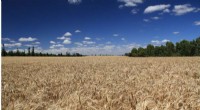
* Cropping: Growing crops like grains, fruits, vegetables, and fibers.
* Horticulture: Specialized cultivation of fruits, vegetables, flowers, and ornamentals.
* Viticulture: The practice of growing grapes for wine production.
* Silviculture: The management of forests for timber, pulp, and other products.
Animal Husbandry:
* Livestock farming: Raising animals like cattle, pigs, sheep, poultry, and goats for meat, dairy, wool, and other products.
* Aquaculture: Farming fish, shellfish, and other aquatic organisms.
* Apiculture: Beekeeping for honey and pollination services.
Other Activities:
* Agricultural engineering: Designing and implementing machinery and technologies for agricultural operations.
* Agricultural economics: Studying the economic aspects of agriculture, including production, marketing, and policy.
* Agricultural science: Researching and developing new techniques and technologies to improve agricultural practices.
Importance of Agriculture:
* Food Security: Agriculture is the foundation of food production, providing sustenance for the world's population.
* Economic Development: Agriculture employs a significant portion of the global workforce and contributes to national economies.
* Environmental Sustainability: Sustainable agricultural practices play a crucial role in preserving natural resources, protecting biodiversity, and mitigating climate change.
Types of Agriculture:
* Subsistence Agriculture: Primarily for the farmer's own consumption.
* Commercial Agriculture: Production for sale in the marketplace.
* Organic Agriculture: Emphasizing environmentally friendly practices and avoiding synthetic pesticides and fertilizers.
* Precision Agriculture: Utilizing technology to optimize agricultural inputs and increase efficiency.
Challenges in Agriculture:
* Climate Change: Changing weather patterns and extreme events threaten agricultural productivity.
* Resource Depletion: Overuse of water, soil, and fertilizers leads to degradation of natural resources.
* Pests and Diseases: Invasive species and emerging diseases can devastate crops and livestock.
* Market Volatility: Fluctuations in commodity prices and global demand can impact farmer income.
The Future of Agriculture:
* Technological Advancements: Innovations in biotechnology, precision agriculture, and robotics will continue to transform the industry.
* Sustainability: Increased focus on environmentally friendly practices, resource conservation, and climate-smart agriculture.
* Food Systems: Emphasis on food security, reducing food waste, and improving access to nutritious food.
Overall, agriculture is a complex and vital sector that provides food, fiber, and other essential resources. Its future depends on addressing current challenges and embracing technological advancements while promoting sustainable practices to ensure global food security and environmental well-being.