Here are some examples:
Plants:
* Budding: Plants like succulents and some ferns can grow new plants from buds that develop on their stems or leaves.
* Runners: Strawberries and spider plants send out runners, which are stems that grow along the ground and produce new plants at their nodes.
* Tubers: Potatoes reproduce asexually through tubers, which are underground stems that store food and can develop into new plants.
Animals:
* Budding: Some invertebrates, like hydra and jellyfish, reproduce asexually by budding, where a new individual grows as an outgrowth from the parent.
* Fragmentation: Starfish and some worms can reproduce asexually through fragmentation, where the body breaks into pieces, and each piece can regenerate into a new organism.
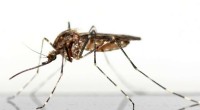
* Parthenogenesis: Some insects, reptiles, and fish can reproduce asexually through parthenogenesis, where an unfertilized egg develops into a new individual.
In summary: While asexual reproduction is common in microorganisms, it is not limited to them. It's a diverse reproductive strategy found in a wide range of organisms across different kingdoms.