Understanding Ourselves and the World Around Us:
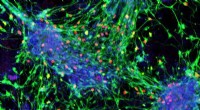
* Health and Medicine: Biology is the foundation of medicine. Understanding biological processes allows us to diagnose, treat, and prevent diseases. It's how we develop vaccines, antibiotics, and new therapies.
* Environmental Awareness: Biology helps us understand how ecosystems function, the impact of human activities on the environment, and how to protect biodiversity. This knowledge is crucial for addressing climate change and ensuring a sustainable future.
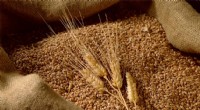
* Agriculture and Food Production: Biology drives improvements in agriculture, leading to more efficient and sustainable food production. It helps us develop disease-resistant crops and understand how to optimize animal breeding.
* Human Evolution: Biology helps us trace the history of life on Earth and understand our own evolutionary origins. This knowledge provides insights into our place in the world and how we came to be.
Solving Global Challenges:
* Disease Eradication: Biology is key to developing new treatments and eradicating diseases like malaria, tuberculosis, and HIV/AIDS.
* Food Security: By understanding how plants and animals grow, we can improve food production to feed a growing population.
* Conservation Efforts: Studying biodiversity and ecosystems allows us to develop conservation strategies for endangered species and habitats.
Beyond Practical Applications:
* Intellectual Curiosity: Biology is an endlessly fascinating field that sparks curiosity about the natural world and inspires us to explore the wonders of life.
* Ethical Considerations: Biology raises important ethical questions about genetic engineering, biotechnology, and our relationship with other living organisms.
In short, biology is vital for our health, our environment, our food supply, and our understanding of the world. It is an essential field for addressing global challenges and ensuring a sustainable future for humanity.