1. Cell Death (Apoptosis or Necrosis):
* Apoptosis: This is a programmed cell death, a clean and controlled process where the cell breaks down its own components in a way that doesn't harm surrounding cells. This is a normal part of development and tissue maintenance, and can be triggered by a lack of growth signals, DNA damage, or other stress.
* Necrosis: This is a less controlled death, often caused by external factors like injury, toxins, or lack of oxygen. It leads to the cell swelling and bursting, potentially causing inflammation and damage to surrounding cells.
2. Cell Senescence:
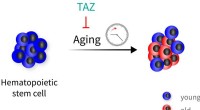
* This is a state where the cell enters a permanent growth arrest. It is not actively dying, but it is no longer able to divide or perform its normal functions effectively. This can be triggered by various stressors like DNA damage, oxidative stress, or telomere shortening. Senescent cells can contribute to aging and disease.
3. Cell Differentiation:
* Some cells, particularly in multicellular organisms, can reach a state of terminal differentiation where they specialize in a particular function. These cells may not need to grow further as they are already fulfilling their role in the organism. However, they are still subject to the potential for apoptosis or senescence if they are not receiving adequate signals for survival or if they accumulate too much damage.
4. Quiescence:
* Some cells can enter a state of quiescence, where they are not actively growing or dividing but remain viable and can potentially resume growth if conditions become favorable. This is a common state for cells that are not actively needed, like stem cells.
In summary:
* A cell's ability to grow is crucial for its survival and function.
* Lack of growth can lead to cell death, senescence, or differentiation depending on the cell type and the underlying cause.
* Understanding the factors that regulate cell growth is essential for understanding development, aging, and disease.