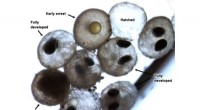
1. Fertilization: The journey begins with the fertilization of an egg by a sperm. This single cell, called a zygote, contains all the genetic information needed to develop into a complete organism.
2. Cleavage: The zygote undergoes rapid cell division (mitosis) without increasing in size. This stage is called cleavage, and it results in a ball of cells called a morula.
3. Blastocyst Formation: The morula continues dividing and develops a fluid-filled cavity, forming a blastocyst. This structure consists of two main parts:
* Inner Cell Mass (ICM): This cluster of cells will eventually form the embryo itself. Embryonic stem cells reside within the ICM.
* Trophoblast: These cells will form the placenta and other supporting structures.
4. Implantation: The blastocyst travels down the fallopian tube and implants in the lining of the uterus.
5. Gastrulation: This is a crucial step where the ICM rearranges and forms the three primary germ layers:
* Ectoderm: Forms the skin, nervous system, and other outer structures.
* Mesoderm: Forms muscles, bones, blood, and other tissues.
* Endoderm: Forms the digestive system, lungs, and other internal structures.
6. Organogenesis: The three germ layers continue to develop and differentiate, giving rise to all the organs and systems of the body.
In Summary:
* Stem cells are not the starting point for embryonic development. They are already present within the early embryo (blastocyst).
* Embryonic stem cells are pluripotent, meaning they have the potential to develop into any cell type in the body.
* The development of the embryo involves a series of complex and highly regulated processes, leading to the formation of a complete organism.
It's important to remember that the use of embryonic stem cells in research and medicine is a complex and ethically sensitive topic. Understanding the process of embryonic development is crucial for understanding the potential and challenges associated with these technologies.