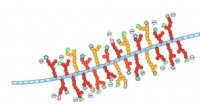
1. A nitrogenous base: This is the part that gives each nucleotide its unique identity. There are five main nitrogenous bases found in DNA and RNA:
* Adenine (A)
* Guanine (G)
* Cytosine (C)
* Thymine (T) (found only in DNA)
* Uracil (U) (found only in RNA)
2. A five-carbon sugar: This is either deoxyribose (in DNA) or ribose (in RNA).
3. A phosphate group: This is a negatively charged group that gives the nucleotide its acidic properties.
How nucleotides differ:
* Nitrogenous Base: This is the primary difference between nucleotides. The specific nitrogenous base attached to the sugar determines the nucleotide's identity (e.g., adenine + deoxyribose + phosphate = deoxyadenosine monophosphate).
* Sugar: DNA and RNA differ in their sugar components. DNA uses deoxyribose, while RNA uses ribose. This difference in sugar structure affects the stability and function of the nucleic acids.
The structure of the nitrogenous bases is the key difference:
* Adenine and Guanine: These are purines, which have a double-ring structure.
* Cytosine, Thymine, and Uracil: These are pyrimidines, which have a single-ring structure.
Other subtle differences:
* Hydrogen bonding: The nitrogenous bases form specific hydrogen bonds with each other. Adenine always pairs with thymine (in DNA) or uracil (in RNA), and guanine always pairs with cytosine.
* Chemical modifications: Nucleotides can be modified chemically, leading to variations in function. For example, methylation of cytosine is important in gene regulation.
To summarize:
The primary way nucleotides differ is in their nitrogenous base, which determines their identity. The sugar component (deoxyribose or ribose) also distinguishes DNA from RNA. The differences in the structure of these components lead to specific hydrogen bonding patterns and functional variations in the nucleic acids.