Here's how it works:
1. Food (glucose) is broken down: This happens in the cytoplasm of the cell, producing a molecule called pyruvate.
2. Pyruvate enters the mitochondria: It then goes through a series of reactions known as the Krebs cycle, where energy is extracted.
3. Oxygen is used: In the final stage of cellular respiration, called oxidative phosphorylation, oxygen is used to create a large amount of energy in the form of ATP (adenosine triphosphate).
Therefore, all cells with mitochondria participate in cellular respiration. This includes:
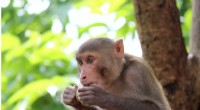
* Animal cells: They rely heavily on cellular respiration to generate energy.
* Plant cells: They also perform cellular respiration, but they also use photosynthesis to make their own food.
* Fungi: They obtain energy from breaking down organic matter through cellular respiration.
* Bacteria: Many types of bacteria also use cellular respiration to produce energy.
In short, all cells with mitochondria use food (glucose) and oxygen to create energy.