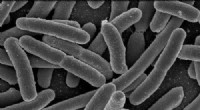
Bacteria:
* E. coli (Escherichia coli): A common bacterium found in the human gut.
* Staphylococcus aureus: A bacterium that can cause skin infections and other diseases.
* Streptococcus pneumoniae: A bacterium that can cause pneumonia and other respiratory infections.
* Salmonella enterica: A bacterium that can cause food poisoning.
* Cyanobacteria: Photosynthetic bacteria that are important for oxygen production.
* Lactobacillus: A bacterium used in the production of yogurt, cheese, and other fermented foods.
* Clostridium botulinum: A bacterium that produces the toxin that causes botulism.
* Mycobacterium tuberculosis: A bacterium that causes tuberculosis.
Archaea:
* Halophiles: Archaea that live in extremely salty environments, such as the Dead Sea.
* Thermophiles: Archaea that live in extremely hot environments, such as hot springs.
* Methanogens: Archaea that produce methane gas as a byproduct of their metabolism.
* Sulfolobus: A genus of Archaea that live in acidic and hot environments, such as volcanic vents.
These are just a few examples of the vast diversity of prokaryotic cells. They play important roles in the environment, in human health, and in industry.