Here's a breakdown:
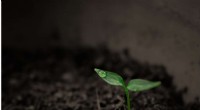
* Autotrophs: These organisms are the foundation of most food chains and ecosystems. They produce their own food through processes like photosynthesis or chemosynthesis.
* Photosynthesis: This is the most common method used by autotrophs. They use sunlight, water, and carbon dioxide to create their own food (glucose) and release oxygen as a byproduct. Plants, algae, and some bacteria are examples of photosynthetic autotrophs.
* Chemosynthesis: This process is used by some bacteria that live in extreme environments like deep sea vents. They use chemicals like hydrogen sulfide or methane to produce their own food.
Key characteristics of autotrophs:
* Producers: They are the primary producers in ecosystems, forming the base of food webs.
* Self-sufficient: They do not need to consume other organisms for energy.
* Essential for life: They provide food and oxygen for other living organisms.