Here's a breakdown of the key components:
* Semipermeable membrane: This is a membrane that allows some molecules to pass through while blocking others. In osmosis, the membrane is selectively permeable to water molecules.
* Higher water concentration: This refers to a solution with a higher proportion of water molecules.
* Lower water concentration: This refers to a solution with a lower proportion of water molecules, usually due to the presence of solutes.
The driving force behind osmosis is the difference in water potential between the two regions. Water potential is a measure of the potential energy of water, and it is influenced by factors such as solute concentration and pressure. Water will always move from a region of higher water potential to a region of lower water potential.
Here are some examples of osmosis in action:
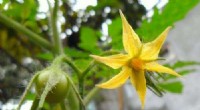
* Plants: Water moves from the soil into plant roots through osmosis.
* Animal cells: Water moves into and out of cells through osmosis to maintain cell volume and function.
* Desalination: Osmosis is used to remove salt from seawater, creating freshwater.
In summary, osmosis is a vital process in living organisms and many industrial applications, ensuring the proper distribution of water molecules across membranes and maintaining the equilibrium of fluids.