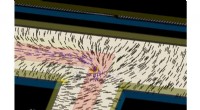
Here's a breakdown of the main structures and their functions:
1. Mycelium: This is the main body of a fungus, composed of a network of thread-like structures called hyphae. The mycelium is responsible for:
* Absorption of nutrients: Hyphae grow through the substrate, releasing enzymes to break down organic matter and absorbing the digested nutrients.
* Anchoring: The mycelium helps to anchor the fungus in its environment.
* Reproduction: In some species, the mycelium produces spores for reproduction.
2. Hyphae: Individual thread-like filaments that make up the mycelium. They have different functions depending on the type of fungus:
* Vegetative hyphae: Responsible for absorbing nutrients and expanding the mycelium.
* Reproductive hyphae: Involved in spore production.
* Haustoria: Specialized hyphae that penetrate host cells to absorb nutrients in parasitic fungi.
3. Sporangia: Structures that produce and release spores. These can be found on stalks or within the mycelium.
4. Sporophores: Structures that bear spores, often referred to as fruiting bodies. These structures vary widely in shape and size depending on the type of fungus. Examples include mushrooms, toadstools, puffballs, and morels.
5. Fruiting bodies: These are the structures that produce spores and are often visible to the naked eye. They are not organs in the strict sense but are vital for the fungus's reproduction.
6. Rhizomorphs: Thick, cord-like structures formed by hyphae that are important for nutrient transport and can also help the fungus spread over long distances.
Remember, these structures are not organs in the traditional sense, but they perform specific functions vital for the survival and reproduction of fungi.