Mitochondria are essential organelles found in almost all eukaryotic cells. They are often described as the "powerhouses of the cell" because they are responsible for cellular respiration, the process that converts nutrients into energy in the form of ATP (adenosine triphosphate).
Here's a breakdown of the structure and function of mitochondria:
Structure:
* Outer membrane: A smooth, outer layer that encloses the organelle. It is permeable to small molecules, allowing them to pass through freely.
* Intermembrane space: The narrow space between the outer and inner membranes.
* Inner membrane: A highly folded, selectively permeable membrane that contains a high concentration of proteins involved in cellular respiration.
* Cristae: Inward folds of the inner membrane that increase its surface area, enhancing the efficiency of ATP production.
* Matrix: The fluid-filled space within the inner membrane, containing enzymes, DNA, ribosomes, and other molecules involved in cellular respiration.
Function:
* Cellular Respiration: This is the primary function of mitochondria. It consists of four main stages:
* Glycolysis: Glucose is broken down into pyruvate in the cytoplasm.
* Krebs Cycle (Citric Acid Cycle): Pyruvate is further broken down, producing electron carriers (NADH and FADH2).
* Electron Transport Chain: The electron carriers deliver electrons to the inner mitochondrial membrane, powering the pumping of protons into the intermembrane space.
* Oxidative Phosphorylation: The flow of protons back across the inner membrane drives ATP synthesis.
* ATP Production: Mitochondria are responsible for producing most of the ATP used by the cell, which is essential for energy-requiring processes like muscle contraction, protein synthesis, and active transport.
* Apoptosis (programmed cell death): Mitochondria play a critical role in initiating and regulating apoptosis.
* Calcium Signaling: Mitochondria can store and release calcium ions, which are important for cell signaling and regulation.
* Heat Generation: Some specialized types of mitochondria, like those found in brown fat, are responsible for generating heat.
* Biosynthesis: Mitochondria are involved in the synthesis of essential molecules like heme and amino acids.
Other interesting facts about mitochondria:
* They have their own DNA (mtDNA), which is distinct from nuclear DNA.
* They can reproduce independently within the cell through binary fission.
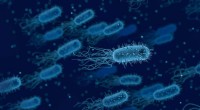
* Mitochondria are thought to have originated from ancient bacteria that were engulfed by eukaryotic cells.
In conclusion, mitochondria are complex and essential organelles that are vital for the survival and function of eukaryotic cells. They are responsible for energy production, cell death regulation, and other critical processes.