Diploid cells are cells that contain two complete sets of chromosomes, one set inherited from each parent. Think of it like a complete set of instructions for building an organism, with two copies of each instruction.
Here's a breakdown:
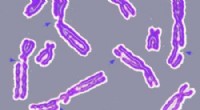
* Chromosomes: These are long, thread-like structures found in the nucleus of every cell. They contain the genetic material (DNA) that determines an organism's traits.
* Pairs: Diploid cells have two copies of each chromosome, forming pairs. One member of each pair comes from the mother and the other from the father.
* Homologous Pairs: The two chromosomes in each pair are called homologous chromosomes. They carry the same genes, but the genes may have slightly different versions (alleles).
* Examples: Most of the cells in your body, including your skin cells, muscle cells, and nerve cells, are diploid.
Why are diploid cells important?
Diploid cells are crucial for:
* Genetic Diversity: The combination of genetic material from two parents creates unique individuals with a diverse range of traits.
* Cellular Function: Two sets of chromosomes provide a backup copy of each gene, ensuring that essential functions can continue even if one copy is damaged.
* Sexual Reproduction: Diploid organisms produce haploid gametes (sperm and egg cells) through a process called meiosis, which halves the number of chromosomes. These gametes then fuse during fertilization to form a new diploid zygote, initiating the development of a new individual.
In contrast to diploid cells, there are also haploid cells:
* Haploid Cells: These cells contain only one set of chromosomes. Examples include sperm cells and egg cells.
* Meiosis: The process by which diploid cells produce haploid gametes.
Understanding the concept of diploid cells is fundamental to comprehending the mechanisms of inheritance, genetic variation, and the biological basis of life.