Biological concepts are the fundamental ideas and principles that underpin the study of living organisms and their interactions. They provide a framework for understanding the complexity of life and how it functions. Here's a breakdown of some key biological concepts:
1. The Cell as the Basic Unit of Life:
* Cell Theory: All living organisms are composed of cells, the smallest unit of life.
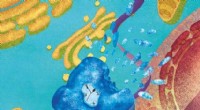
* Cell Structure: Cells have distinct structures (organelles) that perform specific functions, like energy production, protein synthesis, and waste removal.
* Cellular Processes: Cells carry out essential life processes like respiration, photosynthesis, and cell division.
2. Genetic Basis of Life:
* DNA as the Genetic Code: DNA is the blueprint of life, carrying the instructions for building and maintaining an organism.
* Gene Expression: Genes within DNA code for proteins, which determine an organism's traits.
* Evolution and Variation: Genetic variation within populations is the basis for natural selection and evolution.
3. Energy Flow and Metabolism:
* Photosynthesis: Plants and some bacteria convert sunlight into chemical energy.
* Cellular Respiration: Organisms break down food to release energy for their activities.
* Energy Transfer: Energy flows through ecosystems from producers (plants) to consumers (animals) to decomposers.
4. Homeostasis and Regulation:
* Maintaining Balance: Living organisms maintain a stable internal environment despite external changes.
* Feedback Mechanisms: Internal systems adjust to maintain homeostasis through feedback loops.
* Regulation of Processes: Hormones and nervous systems regulate vital functions like temperature, blood sugar, and water balance.
5. Evolution and Diversity:
* Common Ancestry: All living organisms share a common ancestor and have evolved over time.
* Natural Selection: Organisms with advantageous traits are more likely to survive and reproduce.
* Biodiversity: The vast array of life on Earth is a result of evolutionary processes and adaptation to diverse environments.
6. Interdependence of Life:
* Ecosystems: Organisms interact with each other and their environment in complex relationships.
* Food Webs: The flow of energy and nutrients through ecosystems.
* Symbiosis: Close relationships between different species (e.g., mutualism, commensalism, parasitism).
7. Human Biology:
* Anatomy and Physiology: The structure and function of the human body.
* Health and Disease: Factors affecting human health, including disease, nutrition, and lifestyle.
* Genetics and Inheritance: How human traits are passed down through generations.
8. Biotechnology and Genetic Engineering:
* Biotechnology Applications: Using biological processes for practical applications in medicine, agriculture, and industry.
* Genetic Engineering: Modifying organisms' genes to create desired traits.
Understanding these core biological concepts is essential for comprehending the natural world and tackling challenges in medicine, agriculture, and environmental conservation.