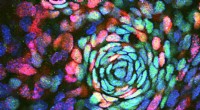
* Eukaryotic Cells: Both fungi and animals are eukaryotes, meaning their cells have a nucleus and other membrane-bound organelles. This distinguishes them from bacteria and archaea, which are prokaryotes.
* Heterotrophic: Both fungi and animals are heterotrophic, meaning they cannot produce their own food and must obtain it from other organisms. They rely on consuming organic matter for energy.
* Chitin: Both fungi and animals use the structural polysaccharide chitin in some of their structures. Fungi use it in their cell walls, while animals use it in the exoskeletons of insects and crustaceans.
* Storage of Glycogen: Both fungi and animals store excess energy as glycogen.
* Close Evolutionary Relationship: Although they diverged a long time ago, fungi and animals are more closely related to each other than they are to plants. This shared ancestry is reflected in their cellular structures and some metabolic processes.
However, there are also important differences between them:
* Cell Walls: Fungi have rigid cell walls made of chitin, while animals do not.
* Mode of Nutrition: Fungi primarily obtain nutrients by absorbing them from their surroundings, often by secreting enzymes that break down organic matter. Animals, on the other hand, typically ingest food and digest it internally.
* Movement: Most animals can move independently, while fungi are generally stationary.
* Reproduction: Fungi reproduce through spores, while animals reproduce sexually.
Overall, while fungi and animals have distinct characteristics, their shared eukaryotic ancestry and heterotrophic nature reveal a common thread in their evolutionary history.