Genetic breeding, also known as selective breeding, is a process of intentionally mating organisms with desired traits to produce offspring with those traits. It's a form of artificial selection where humans control the breeding process instead of letting it occur naturally.
Here's a breakdown of the key elements:
* Intentional Mating: Breeders choose specific individuals with desired traits to reproduce.
* Desired Traits: These could be anything from increased milk production in cows to disease resistance in crops to specific coat colors in dogs.
* Offspring with Traits: By carefully selecting parents, breeders aim to increase the frequency of desired traits in subsequent generations.
Examples of genetic breeding:
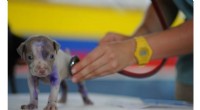
* Dog breeding: Breeders select dogs with specific physical characteristics and temperaments to create new breeds.
* Crop breeding: Farmers select plants with traits like high yield, disease resistance, and drought tolerance to improve crop productivity.
* Livestock breeding: Farmers select animals with traits like high milk production, meat quality, and disease resistance to improve overall productivity.
Benefits of genetic breeding:
* Improved traits: Genetic breeding can lead to significant improvements in desired traits, benefiting human needs.
* Increased productivity: It can lead to increased yields in crops, higher milk production in cows, and more meat from livestock.
* Disease resistance: Genetic breeding can produce organisms with enhanced resistance to diseases.
Challenges of genetic breeding:
* Inbreeding: Repeatedly mating closely related individuals can lead to inbreeding, which can cause health problems.
* Ethical concerns: Concerns arise about the welfare of animals bred for specific traits and the potential risks of introducing genetically modified organisms into the environment.
* Loss of genetic diversity: Intensive selection for specific traits can lead to a decrease in genetic diversity, making populations more susceptible to disease.
In conclusion, genetic breeding is a powerful tool for improving organisms and addressing human needs. However, it's important to consider the ethical implications and potential challenges associated with this practice.