Here are some key aspects of what an evolutionary biologist does:
Research:
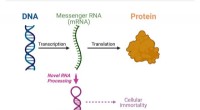
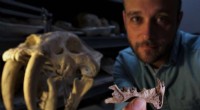
* Study the history of life: They reconstruct evolutionary relationships between organisms using fossils, DNA sequences, and other data. This helps them understand how different species are related and how they evolved from common ancestors.
* Investigate the mechanisms of evolution: Evolutionary biologists study processes like natural selection, genetic drift, mutation, and gene flow. They investigate how these processes shape the diversity of life.
* Explore the evolution of specific traits: They might study the evolution of specific traits like antibiotic resistance in bacteria, the development of complex eyes in animals, or the evolution of human behavior.
* Analyze ecological interactions: They consider how environmental factors, competition, and predation influence evolutionary processes.
Fieldwork:
* Collect data in the field: Evolutionary biologists may travel to diverse locations to collect specimens, observe animal behavior, or study ecosystems.
* Conduct experiments: They may design experiments to test hypotheses about evolutionary processes in natural settings or in controlled laboratory environments.
Other activities:
* Publish research findings: Evolutionary biologists write articles and books to communicate their research findings to the scientific community and the general public.
* Teach and mentor students: They may teach courses on evolution, biology, and related subjects at universities and other educational institutions.
* Collaborate with other scientists: They may work with scientists from other disciplines, such as genetics, ecology, and paleontology.
* Advocate for science: Evolutionary biologists may engage in public outreach to promote understanding and acceptance of evolutionary science.
Applications of Evolutionary Biology:
Evolutionary biology has important applications in various fields, including:
* Medicine: Understanding evolution helps researchers develop new drugs and treatments for diseases.
* Agriculture: Evolutionary principles are applied to improve crop yields and disease resistance.
* Conservation: Evolutionary biology helps identify and protect endangered species and manage biodiversity.
* Forensics: DNA analysis techniques based on evolutionary principles are used in forensic science.
Overall, evolutionary biologists are at the forefront of understanding the incredible diversity and interconnectedness of life on Earth. Their work contributes to a deeper understanding of the past, present, and future of life on our planet.