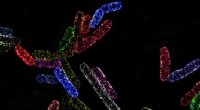
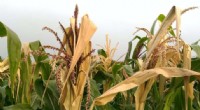
* Both are ubiquitous: They are found almost everywhere on Earth, from soil and water to our bodies.
* Both are decomposers: They break down dead organic matter, recycling nutrients back into the ecosystem.
* Both can be beneficial: They are essential for processes like fermentation and nutrient cycling, and some are used in producing food and medicine.
* Both can be harmful: Some bacteria and fungi can cause diseases in humans, animals, and plants.
However, these similarities are overshadowed by their many differences. Here's a breakdown of their key differences:
Structure:
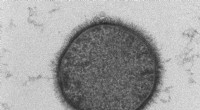
* Bacteria: Single-celled organisms with a simple structure, lacking a true nucleus and membrane-bound organelles.
* Fungi: Eukaryotic organisms, meaning they have a true nucleus and complex organelles. They can be single-celled (yeasts) or multicellular (molds and mushrooms).
Cell wall:
* Bacteria: Have cell walls composed of peptidoglycan.
* Fungi: Have cell walls composed of chitin, a tough polysaccharide.
Mode of nutrition:
* Bacteria: Can be heterotrophic (obtain nutrients from other organisms) or autotrophic (produce their own food through photosynthesis or chemosynthesis).
* Fungi: Heterotrophic, obtaining nutrients by absorbing nutrients from their surroundings through hyphae, long thread-like structures.
Reproduction:
* Bacteria: Reproduce asexually through binary fission.
* Fungi: Reproduce asexually through spores or budding, and sexually through the fusion of hyphae.
Overall, although bacteria and fungi share some similarities, their structural, genetic, and functional differences are significant.