1. Plasma membrane: This is the outer boundary of the cell, acting as a barrier between the cell's interior and its external environment. It regulates what enters and exits the cell, controlling the flow of nutrients, waste products, and other molecules.
2. Cytoplasm: This is the gel-like substance that fills the cell, where many of the cell's metabolic activities occur. It contains various organelles, including ribosomes, mitochondria, and the endoplasmic reticulum.
3. DNA (Deoxyribonucleic Acid): This genetic material contains the instructions for the cell's activities and functions. It is located in the nucleus of eukaryotic cells and in the cytoplasm of prokaryotic cells.
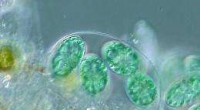
These three structures are essential for the basic functioning and survival of all cells, regardless of their type or complexity.