1. Endozoochory:
* Ingestion and Defecation: Animals eat fruits and seeds, then excrete the seeds in their droppings, often far from the parent plant. This process is known as endozoochory. The digestive process can sometimes even enhance seed germination. Examples include:
* Birds: Birds eat berries, drupes, and other fleshy fruits, often depositing seeds in their droppings.
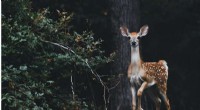
* Mammals: Mammals like squirrels, foxes, and deer consume nuts, berries, and other fruits.
* Fish: Fish, especially those that feed on fruits that fall into water, can disperse seeds via their digestive system.
2. Epizoochory:
* External Attachment: Seeds with hooks, spines, or sticky surfaces adhere to animal fur or feathers and are carried away. This process is known as epizoochory. Examples include:
* Burrs: Burrs like cockleburrs and beggar-ticks have hooks or spines that cling to animal fur.
* Sticky seeds: Seeds of plants like mistletoe have sticky surfaces that attach to birds' feathers.
3. Synzoochory:
* Mutualistic relationships: Some animals are specifically adapted to disperse certain seeds, and they receive a benefit in return. This is called synzoochory. Examples include:
* Ants: Ants collect seeds for their nests, often consuming a portion of the seed. They then disperse the remaining seeds.
* Beetles: Certain beetles are attracted to specific seeds, helping to disperse them while they feed.
Factors Influencing Seed Dispersal:
* Seed size and shape: Larger and heavier seeds are typically dispersed by larger animals, while smaller seeds can be dispersed by smaller animals or wind.
* Seed coat structure: Seeds with hooks, spines, or sticky surfaces are more likely to be dispersed by epizoochory.
* Fruit characteristics: The color, scent, and size of fruits can influence which animals are attracted to them.
* Animal behavior: The diet, foraging habits, and territory size of animals influence seed dispersal patterns.
Benefits of Animal Seed Dispersal:
* Increased plant diversity: Seed dispersal helps plants colonize new areas, leading to increased biodiversity.
* Reduced competition: Dispersal reduces competition between seedlings and the parent plant.
* Enhanced gene flow: Seed dispersal promotes genetic mixing, which can increase a plant's resilience to disease and environmental changes.
Overall, animal seed dispersal is a crucial process for maintaining ecological balance and promoting plant survival and evolution.