1. Genetics:
* Genetic Variation: Even within a species, individuals have unique combinations of genes, resulting in differences in traits.
* Mutations: Random changes in DNA sequences can introduce new variations.
* Recombination: During sexual reproduction, genes are shuffled, creating new combinations.
2. Environment:
* Environmental Factors: The environment, including climate, food availability, and predators, can influence how genes are expressed and shape physical characteristics.
* Phenotypic Plasticity: Some traits can change in response to environmental conditions, even with the same genes.
3. Epigenetics:
* Epigenetic Modifications: These changes in gene expression, not due to DNA sequence alterations, can be influenced by environmental factors and affect traits.
Examples of differences within the same species:
* Humans: Height, eye color, hair color, and skin tone vary widely.
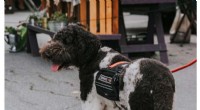
* Dogs: Different breeds of dogs have been selectively bred for specific traits, leading to huge size, shape, and temperament differences.
* Trees: Trees of the same species can vary in size, leaf shape, and growth rate depending on soil conditions and sunlight exposure.
Important Notes:
* Species Concept: The concept of a species is not always clear-cut. Some species can interbreed occasionally, and there can be significant genetic variation within a species.
* Evolutionary Processes: These differences within a species are essential for natural selection and adaptation to changing environments.
In summary, organisms of the same species share a common gene pool but can exhibit significant differences due to genetic variation, environmental factors, and epigenetic modifications. These variations allow species to adapt and thrive in diverse environments.