1. Domain: This is the broadest level of classification, encompassing all of life. There are three domains:
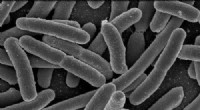
* Bacteria: Single-celled prokaryotic organisms (lacking a nucleus and other membrane-bound organelles).
* Archaea: Another group of single-celled prokaryotes, often found in extreme environments.
* Eukarya: Organisms whose cells contain a nucleus and other membrane-bound organelles.
2. Kingdom: Within each domain, there are multiple kingdoms. The five most commonly recognized kingdoms within the Eukarya domain are:
* Protista: A diverse group of mostly single-celled eukaryotic organisms, including algae, protozoa, and slime molds.
* Fungi: Heterotrophic organisms that obtain nutrients by absorbing organic matter from their surroundings, including mushrooms, molds, and yeasts.
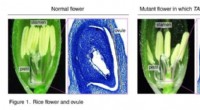
* Plantae: Multicellular organisms that produce their own food through photosynthesis, including trees, flowers, ferns, and mosses.
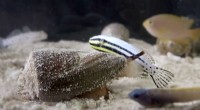
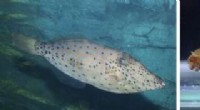
* Animalia: Multicellular organisms that obtain nutrients by consuming other organisms, including mammals, birds, reptiles, amphibians, fish, and insects.
3. Phylum: Within each kingdom, there are numerous phyla, which are broad categories of organisms with similar characteristics. For example, the phylum Chordata includes all animals with a backbone, while the phylum Arthropoda includes all animals with exoskeletons and jointed legs.
4. Class: Within each phylum, there are many classes, further subdividing organisms based on shared features. For instance, within the class Mammalia, there are orders such as Primates (monkeys, apes, humans), Carnivora (dogs, cats, bears), and Rodentia (rats, mice, squirrels).
5. Order: Each class is divided into orders, which group organisms based on more specific characteristics. For example, within the order Primates, there are families such as Hominidae (humans, gorillas, chimpanzees, orangutans) and Cercopithecidae (monkeys).
6. Family: Within each order, there are families, which group organisms with even more specific similarities. For instance, within the family Hominidae, there are genera such as Homo (humans), Pan (chimpanzees and bonobos), and Gorilla (gorillas).
7. Genus: Each family is composed of genera, which are groups of closely related species. For example, the genus Homo includes several extinct human species (such as Neanderthals) and the only surviving species, Homo sapiens.
8. Species: The most specific level of classification, a species is a group of organisms that can interbreed and produce fertile offspring. For example, Homo sapiens is the scientific name for the human species.
This hierarchical system helps us understand the relationships between different organisms and to appreciate the vast diversity of life on Earth. However, this system is not static and is constantly being revised as scientists learn more about the evolutionary history of life.
Beyond this general classification, there are also many other ways to categorize organisms, such as by their habitat, diet, or behavior. Ultimately, the variety of organisms is a testament to the incredible creativity of evolution and the vastness of the natural world.