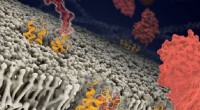
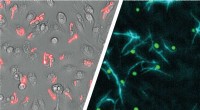
1. Cells: The most basic unit of life. Each cell has a specific function.
2. Tissues: Groups of similar cells that work together to perform a specific function (e.g., muscle tissue, nervous tissue).
3. Organs: Structures made up of different tissues that work together to perform a specific function (e.g., heart, lungs, brain).
4. Organ Systems: Groups of organs that work together to perform a major bodily function (e.g., circulatory system, digestive system, nervous system).
5. Organism: A complete living being made up of all the organ systems working together.
So, while organs are an important part of a multicellular organism, they are just one level in a complex hierarchy. The cooperation of cells, tissues, organs, and organ systems is what makes a multicellular organism function as a whole.