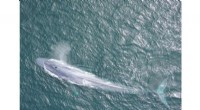
1. Individual: The basic unit of life. This is a single organism, like a plant, animal, bacteria, or fungus.
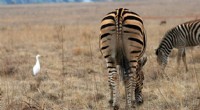
2. Population: A group of individuals of the same species living in the same area and interacting with each other.
3. Community: A collection of different populations of species living in the same area and interacting with each other.
4. Ecosystem: A community of organisms interacting with each other and their physical environment (biotic and abiotic factors). This includes the flow of energy and nutrients through the system.
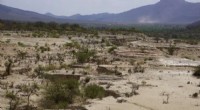
5. Biome: A large-scale ecosystem characterized by specific climate conditions and dominant plant and animal life. Examples include deserts, forests, grasslands, and aquatic biomes.
6. Biosphere: The sum total of all living organisms and their environments on Earth. It encompasses all ecosystems and biomes, forming a complex and interconnected web of life.
Here's a simple analogy:
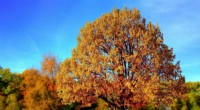
* Imagine a single tree (individual) as part of a forest (ecosystem).
* The forest contains many different trees (population) and other plant and animal life (community).
* The forest is a specific type of biome (like a temperate forest) with its own characteristic climate and biodiversity.
* All biomes together, including the oceans, mountains, and deserts, form the Earth's biosphere.
Key Points:
* Each level of organization depends on the levels below it.
* The biosphere is interconnected and dynamic, with organisms constantly interacting and adapting to their environment.
* Understanding the organization of the biosphere is crucial for understanding the complex relationships between living organisms and their environment, and for addressing ecological challenges such as climate change and biodiversity loss.