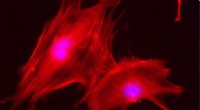
* Non-invasive: Light microscopy is a non-invasive technique. The specimen is not harmed or killed by the process of viewing it. This allows for observation of organisms in their natural state and behavior, which is crucial for understanding biological processes.
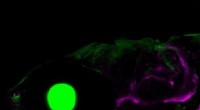
* Real-time observation: Living specimens can be observed in real time, allowing scientists to see how cells move, divide, interact with their environment, and respond to stimuli. This provides valuable insights into cellular processes and organismal functions.
* Versatility: Light microscopes are versatile and can be used to observe a wide range of living organisms, from bacteria and algae to small plants and animals.
* Relatively low cost: Light microscopes are relatively inexpensive compared to other types of microscopes, making them accessible for a wider range of research and educational purposes.
However, there are some limitations to using light microscopes for observing living organisms:
* Resolution: The resolving power of light microscopes is limited by the wavelength of light. This means that they cannot be used to observe very small structures, like individual molecules.
* Specimen preparation: While light microscopes can be used to observe living specimens, some preparation may be required to ensure optimal viewing conditions. This might include mounting the specimen in a suitable medium or staining it with dyes.
Overall, light microscopy provides a valuable tool for studying living organisms, offering a non-invasive and relatively inexpensive method for observing their behavior and structure in real time.