Mitochondria and chloroplasts are fascinating organelles that play crucial roles in eukaryotic cells. Their evolutionary history is deeply entwined with the concept of endosymbiosis.
1. The Endosymbiotic Theory:
* The theory posits that mitochondria and chloroplasts originated from free-living bacteria that were engulfed by primitive eukaryotic cells.
* These bacteria, instead of being digested, formed a symbiotic relationship with the host cell.
* Over millions of years, the bacteria lost their independence and became integrated into the host cell as organelles.
2. Mitochondria: The Energy Powerhouses:
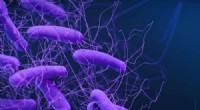
* Mitochondria are thought to have originated from alpha-proteobacteria, which are capable of aerobic respiration.
* They provide the cell with ATP, the energy currency of life, through oxidative phosphorylation.
* Evidence supporting their bacterial origin includes:
* Their own circular DNA similar to bacterial DNA.
* Ribosomes that resemble those of bacteria.
* The ability to reproduce independently through binary fission.
3. Chloroplasts: The Photosynthetic Factories:
* Chloroplasts evolved from cyanobacteria, which are photosynthetic bacteria.
* They are responsible for photosynthesis, converting light energy into chemical energy in the form of sugars.
* Evidence for their bacterial origin includes:
* Circular DNA and ribosomes similar to cyanobacteria.
* Thylakoid membranes, similar to the internal membranes of cyanobacteria.
* Photosynthetic pigments, identical to those found in cyanobacteria.
4. The Evolutionary Journey Continues:
* The endosymbiotic theory is widely accepted, but the exact details of the process are still being researched.
* The relationship between organelles and the host cell is a constant process of co-evolution, where both parties have adapted to benefit from the partnership.
* The evolution of mitochondria and chloroplasts is a testament to the power of symbiosis and the remarkable ability of life to adapt and innovate.
In summary, mitochondria and chloroplasts are the evolutionary descendants of free-living bacteria that formed symbiotic relationships with primitive eukaryotic cells. This event revolutionized the evolution of life on Earth by enabling the emergence of complex eukaryotic organisms with diverse metabolic capabilities.