1. Energy Production:
* Light-dependent reactions: This stage captures light energy and converts it into chemical energy in the form of ATP (adenosine triphosphate) and NADPH (nicotinamide adenine dinucleotide phosphate).
* Light-independent reactions (Calvin cycle): This stage uses the ATP and NADPH from the first stage to convert carbon dioxide into glucose, a sugar that serves as the primary energy source for the plant.
2. Carbon Fixation:
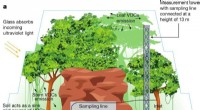
* Photosynthesis is the primary way that carbon dioxide is removed from the atmosphere and incorporated into organic compounds. This is essential for maintaining Earth's carbon cycle and reducing greenhouse gas levels.
3. Oxygen Production:
* As a byproduct of the light-dependent reactions, oxygen is released into the atmosphere. This is the oxygen that we breathe.
4. Basis of Food Chains:
* The glucose produced by photosynthesis is the foundation of food chains. Plants are consumed by herbivores, which are in turn consumed by carnivores. All life on Earth ultimately relies on the energy generated through photosynthesis.
5. Biofuel Production:
* Plants can be used as a source of biofuels, like ethanol and biodiesel, which are renewable alternatives to fossil fuels.
In summary, photosynthesis plays a crucial role in the following ways:
* Energy production for life: Plants use sunlight to create energy, which is then used by all living organisms.
* Maintaining the Earth's atmosphere: Photosynthesis removes carbon dioxide from the atmosphere and produces oxygen, which is essential for life on Earth.
* Providing the foundation for food chains: The glucose produced by photosynthesis is the basis of all food chains.
Photosynthesis is a fundamental process that sustains life on our planet.