Mitosis: A Process for Eukaryotes
* Mitosis is a form of cell division that occurs in eukaryotic cells, which are cells with a nucleus and other membrane-bound organelles.
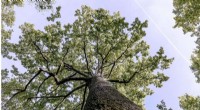
* Fungi, plants, and animals are all made up of eukaryotic cells, and therefore, they all rely on mitosis for growth and repair.
Why Bacteria Don't Use Mitosis
* Bacteria are prokaryotes. They lack a nucleus and other membrane-bound organelles. Their genetic material is contained in a single circular chromosome, which is located in a region called the nucleoid.
* Bacteria divide through a process called binary fission, which is a simpler and faster process than mitosis. In binary fission, the single chromosome replicates, the cell elongates, and then divides into two identical daughter cells.
Here's a simple analogy:
Think of mitosis like building a complex model with many intricate parts, while binary fission is like splitting a single piece of clay into two identical pieces.
In summary:
* Eukaryotic cells (fungi, plants, animals) use mitosis for cell division.
* Prokaryotic cells (bacteria) use binary fission.
Let me know if you'd like to explore any of these processes in more detail!