Cultivating bacteria, also known as microbial culture, is a fundamental practice in microbiology, used for various purposes like research, diagnosis, and industrial production. Here's a simplified guide to cultivating bacteria:
1. Selecting the Right Media:
* Types: Different bacteria require specific nutrient compositions. Common media include:
* Agar plates: Solid media containing agar, a solidifying agent, allowing for colony formation.
* Broth: Liquid media, suitable for growing large quantities of bacteria.
* Selective media: Contains specific nutrients and inhibitors to select for specific bacterial types.
* Differential media: Allows for distinguishing between different types of bacteria based on their growth characteristics.
* Preparation: Carefully prepare media according to manufacturers' instructions to ensure optimal growth conditions.
2. Sterilization:
* Why: Essential to eliminate any pre-existing microorganisms that might contaminate the culture.
* Methods:
* Autoclave: Uses high pressure and temperature to sterilize media, glassware, and other materials.
* Filter sterilization: Used for heat-sensitive solutions, passing them through a filter with pores small enough to trap bacteria.
3. Inoculation:
* Purpose: Introducing a sample containing bacteria into the sterile medium.
* Methods:
* Streaking: Using a sterile loop to spread bacteria on an agar plate, creating individual colonies.
* Pour plating: Mixing bacteria with molten agar before pouring into Petri dishes.
* Liquid inoculation: Directly adding bacteria to liquid broth.
4. Incubation:
* Temperature: Each bacterial species has an optimal temperature range for growth.
* Time: Depends on the type of bacteria and the experiment's objectives.
* Atmosphere: Some bacteria require specific atmospheric conditions, such as anaerobic or microaerophilic environments.
5. Monitoring and Observation:
* Growth: Monitor for visible signs of bacterial growth, such as turbidity in broth or colony formation on agar plates.
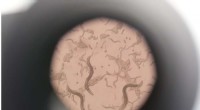
* Microscopy: Examine the bacterial morphology under a microscope to confirm their identity.
* Biochemical tests: Perform specific tests to identify and characterize the bacteria.
6. Storage and Disposal:
* Storage: Properly store cultures for future use, typically in refrigerators or at -80°C.
* Disposal: Dispose of bacterial cultures responsibly, following laboratory safety protocols.
Key Considerations:
* Aseptic technique: Maintaining sterility throughout the process is crucial to prevent contamination.
* Safety: Work with bacteria in a biosafety cabinet to protect yourself and the environment from potential hazards.
* Documentation: Thoroughly record all steps and observations to ensure reproducibility and traceability.
Further Resources:
* Microbiology textbooks: Provide detailed information on bacterial cultivation techniques.
* Laboratory manuals: Contain specific protocols for cultivating different bacteria.
* Online resources: Numerous websites and databases offer information on bacterial culture and identification.
Remember, cultivating bacteria requires meticulous attention to detail and adherence to safety guidelines.