Here's a breakdown:
* Phagocytes: These are specialized cells like macrophages, neutrophils, and dendritic cells. They are found in the blood and tissues, patrolling for foreign invaders.
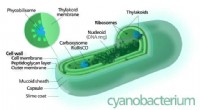
* Bacteria: These are single-celled organisms, some of which can cause disease.
* Phagocytosis: This is the process of engulfing and destroying foreign particles, including bacteria. Here's how it works:
1. Recognition: The phagocyte recognizes the bacteria as foreign through surface receptors that bind to molecules on the bacterial surface.
2. Engulfment: The phagocyte extends its cell membrane around the bacteria, forming a pouch called a phagosome.
3. Fusion: The phagosome fuses with a lysosome, which contains powerful enzymes and other chemicals.
4. Digestion: The enzymes and chemicals break down the bacteria into harmless components.
Why is this important?
* Defense against infection: Phagocytosis is a primary line of defense against bacterial infections. It prevents bacteria from multiplying and spreading throughout the body.
* Immune response: Phagocytosis not only destroys bacteria but also presents bacterial antigens (parts of the bacteria) to other immune cells. This triggers a more specific immune response to target and eliminate the infection.
In summary:
Phagocytize bacteria is the process of phagocytes engulfing and destroying bacteria. It's a fundamental part of the immune system's defense against infection.