Here's a breakdown:
* Osmoregulation is the process by which living organisms maintain the right concentration of water and salts in their bodies. This is crucial for cell function and overall survival.
* Cells are surrounded by a membrane that controls what goes in and out. This membrane is semi-permeable, meaning it lets some substances pass through while others are blocked.
* Water moves freely across the cell membrane, following the concentration gradient. This means it moves from areas of high water concentration to areas of low water concentration.
* Solutes (like salts) are dissolved in water. Their concentration also influences water movement across the cell membrane.
Here are some examples of how osmoregulation works:
* Animals living in freshwater environments tend to have higher concentrations of solutes inside their cells than in the surrounding water. This causes water to flow into their cells, potentially causing them to burst. To prevent this, these animals excrete dilute urine and actively pump out excess water.
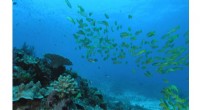
* Animals living in saltwater environments have lower concentrations of solutes inside their cells compared to the surrounding water. This causes water to flow out of their cells, potentially leading to dehydration. To compensate, these animals drink large amounts of seawater and excrete concentrated urine.
* Plants also regulate their water content through processes like transpiration and the absorption of water through their roots.
In short, osmoregulation is essential for all living organisms to maintain the right balance of water and solutes in their cells, allowing them to function properly.