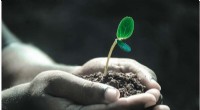
1. Photosynthesis: Plants use sunlight, water, and carbon dioxide to create their own food (sugars) through a process called photosynthesis.
2. Carbon Fixation: During photosynthesis, plants take in CO2 from the air and convert it into glucose (sugar) and oxygen.
3. Building Biomass: The glucose produced is then used as building blocks to create all the components of the plant's body, including roots, stems, leaves, and flowers. This process includes:
* Cellulose: The most abundant organic compound on Earth, forms the structural framework of plant cells.
* Other Organic Molecules: Plants also use glucose to create proteins, fats, and other complex molecules needed for growth and survival.
In essence, the carbon in plant biomass originates from the atmosphere and is fixed through the process of photosynthesis.