1. Enhancing Contrast and Visibility:
* Cellular Components: Many cellular components are transparent and difficult to distinguish under a microscope. Stains provide color and contrast, making structures like nuclei, cytoplasm, and organelles more visible.
* Tissue Sections: Staining helps differentiate various tissues and their components within a sample. This allows for identification of specific cell types, tissues, and structures.
2. Specific Staining:
* Selective Staining: Certain stains have an affinity for specific cellular components. For example, hematoxylin stains nuclei blue, while eosin stains cytoplasm pink. This selectivity enables the identification of specific structures and their functions.
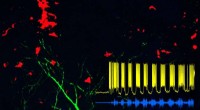
* Fluorescent Staining: Fluorescent dyes can bind to specific molecules within cells, allowing researchers to visualize the location and distribution of these molecules. This technique is particularly useful for studying protein localization, cell signaling, and gene expression.
3. Detecting Cellular Activity:
* Metabolic Activity: Some stains are used to assess the metabolic activity of cells. For instance, the MTT assay uses a stain to measure the activity of mitochondrial enzymes, indicating cell viability.
* Disease Detection: Stains can be used to identify specific pathogens or abnormal cellular processes associated with diseases. For example, the Gram stain helps differentiate bacteria, while the Pap smear uses stains to detect cervical cancer cells.
4. Quantitative Analysis:
* Cell Counting: Some stains can be used to quantify the number of cells in a sample. This is particularly useful for studying cell growth, proliferation, and death.
* Immunohistochemistry (IHC): IHC uses antibodies labeled with dyes to detect specific proteins within tissues. This technique allows for the quantification of protein expression and its distribution within cells.
In summary, stains are essential tools for biologists, enabling them to visualize, identify, and quantify various cellular components and activities. Staining techniques have revolutionized our understanding of cell structure, function, and disease processes.