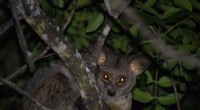
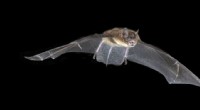
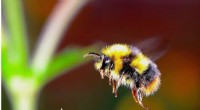
1. Animalia: Includes all animals, which are multicellular, heterotrophic (meaning they get their food from other organisms), and can move independently.
2. Plantae: Includes all plants, which are multicellular, autotrophic (meaning they produce their own food through photosynthesis), and don't move independently.
3. Fungi: Includes mushrooms, molds, and yeasts. Fungi are heterotrophic, multicellular (except yeasts), and obtain nutrients by absorbing them from their surroundings.
4. Protista: A diverse group of mostly single-celled eukaryotic organisms, including algae, amoebas, and slime molds.
5. Monera: This kingdom is now often divided into two separate domains: Bacteria and Archaea. They are both single-celled prokaryotes (lacking a nucleus) and are incredibly diverse.
It's important to note that the classification of living organisms is constantly evolving as new information is discovered. However, these five kingdoms are the foundation of the current system of classification.