1. Decomposers: These break down dead organic matter (plants, animals, waste) into simpler substances, releasing nutrients back into the soil for other organisms to use. This is essential for recycling nutrients and maintaining soil fertility. Key players include:
* Bacteria: Diverse groups like *Bacillus*, *Pseudomonas*, and *Clostridium* are involved in breaking down various organic compounds.
* Fungi: Especially important in decomposing lignin (wood), fungi like *Basidiomycetes* and *Ascomycetes* play a vital role in forest ecosystems.
2. Nitrogen-fixing bacteria: These microorganisms convert atmospheric nitrogen gas into usable forms like ammonia and nitrates, making nitrogen available to plants. This process is essential for plant growth and is carried out by:
* Cyanobacteria: Found in aquatic environments, these bacteria are major contributors to nitrogen fixation.
* Rhizobia: These bacteria live in symbiotic relationships with legumes, forming nodules on roots where nitrogen fixation occurs.
3. Symbiotic bacteria: Many microorganisms live in mutually beneficial relationships with other organisms. Examples include:
* Gut bacteria: These reside in the digestive tracts of animals, aiding in digestion, nutrient absorption, and immune system development.
* Mycorrhizal fungi: These fungi form partnerships with plant roots, increasing nutrient uptake and providing protection against pathogens.
4. Photosynthetic microorganisms: These contribute to primary production, generating organic matter and releasing oxygen into the environment.
* Cyanobacteria: Important producers in aquatic ecosystems, they are responsible for a significant portion of global oxygen production.
* Algae: Diverse groups like diatoms and green algae are crucial primary producers in various aquatic habitats.
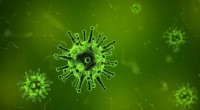
5. Pathogens: While often seen as harmful, some pathogens can play beneficial roles in ecosystems, such as:
* Viral lysis: Certain viruses can infect and kill harmful bacteria, contributing to the regulation of microbial populations.
* Disease suppression: Some pathogens can act as biological control agents, suppressing the growth of invasive or pest species.
Ultimately, the specific benefits of each microorganism depend on the context and the complex interactions within the ecosystem. Understanding the intricate roles of these tiny organisms is crucial for maintaining healthy and balanced ecosystems.