Endothermic Organisms (Warm-blooded)
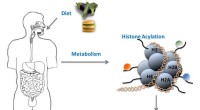
* Internal heat generation: Endotherms generate most of their body heat internally through metabolic processes.
* Stable body temperature: They maintain a relatively constant internal body temperature, even when the external temperature changes significantly.
* Energy expenditure: Endotherms require a lot of energy to maintain their body temperature, which is why they often eat more than ectotherms.
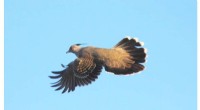
* Examples: Mammals and birds.
Ectothermic Organisms (Cold-blooded)
* External heat source: Ectotherms rely on external sources of heat, such as sunlight or warm rocks, to regulate their body temperature.
* Variable body temperature: Their body temperature fluctuates with the surrounding environment.
* Lower energy expenditure: Ectotherms require less energy to survive compared to endotherms.
* Examples: Reptiles, amphibians, fish, and invertebrates.
Here's a table summarizing the key differences:
| Feature | Endotherms (Warm-blooded) | Ectotherms (Cold-blooded) |
|------------------|---------------------------|---------------------------|
| Heat Source | Internal metabolism | External environment |
| Body Temperature | Stable | Variable |
| Energy Usage | High | Low |
| Examples | Mammals, birds | Reptiles, amphibians, fish |
In short:
* Endotherms: "Warm-blooded," generate internal heat, stable body temperature.
* Ectotherms: "Cold-blooded," rely on external heat, variable body temperature.