Growth in an organism is a complex and continuous process involving many factors. Here's a breakdown of the main aspects:
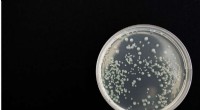
1. Cell Division: The foundation of growth is the increase in cell number. This happens through mitosis, a process where a single cell divides into two identical daughter cells.
* In unicellular organisms, cell division is the primary mode of growth.
* In multicellular organisms, cell division is followed by cell differentiation where cells specialize for different functions.
2. Cell Enlargement: While cell division increases the number of cells, cell enlargement increases the size of individual cells. This involves:
* Production of new cellular components: cells synthesize proteins, lipids, and other molecules, adding to their volume.
* Water uptake: cells absorb water to increase their size.
3. Synthesis of Organic Molecules: Building new cells and increasing their size requires the synthesis of organic molecules like proteins, carbohydrates, and lipids. This process is fueled by:
* Nutrition: organisms obtain nutrients from their environment.
* Metabolism: organisms break down nutrients to provide energy and building blocks for biosynthesis.
4. Hormones and Growth Factors: These chemical messengers regulate growth by influencing cell division, cell differentiation, and metabolism. Examples include:
* Growth hormone: stimulates protein synthesis and cell growth.
* Insulin-like growth factor (IGF-1): promotes cell division and growth.
* Estrogen and testosterone: influence growth and development during puberty.
5. Environmental Factors: External factors also play a role in growth:
* Nutrients: availability of food and water.
* Temperature: optimal temperature for cellular processes.
* Oxygen: essential for metabolism.
* Light: important for photosynthesis in plants.
6. Genetic Control: The blueprint for growth is encoded in an organism's DNA. Genes regulate:
* Cell division rate: how frequently cells divide.
* Cell differentiation pathways: what types of cells are produced.
* Metabolic processes: how nutrients are utilized for growth.
7. Age-related Changes: Growth rates vary throughout an organism's life cycle.
* Rapid growth: occurs during early development.
* Slower growth: occurs during adulthood.
* Growth cessation: occurs when organisms reach their maximum size.
In summary:
Organisms grow through a coordinated interplay of cell division, cell enlargement, nutrient intake, metabolic processes, hormonal signaling, genetic control, and environmental factors. This complex process ensures that an organism can develop, maintain its size, and repair damaged tissues throughout its life.