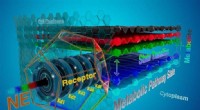
* Carbohydrates are the primary source of energy for cells. They are broken down into glucose, which is then used in cellular respiration to produce ATP (adenosine triphosphate), the cell's energy currency.
Let's look at the other options:
* Nucleic acids (DNA and RNA) carry genetic information and are essential for protein synthesis, but they don't directly provide energy.
* Proteins are involved in a wide variety of cellular processes, including structure, transport, and enzyme activity. While they can be used as an energy source in extreme circumstances, they are not the primary energy provider.
* Water is essential for life and participates in many cellular processes, but it doesn't provide energy.
In summary: Carbohydrates are the primary energy source for cells, while the other options have different roles.