1. Interconnectedness:
* Complex Web of Life: All organisms within the biosphere are interconnected through intricate food webs and ecological relationships. Changes in one part of the biosphere can have ripple effects throughout the entire system.
* Nutrient Cycling: The biosphere is a closed system for nutrients, meaning that elements like carbon, nitrogen, and phosphorus are constantly recycled between living organisms and the non-living environment.
* Energy Flow: Energy flows through the biosphere, primarily originating from the sun and being passed from one organism to another through food chains.
2. Diversity and Adaptation:
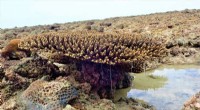
* Vast Biodiversity: The biosphere is home to an incredible variety of life, with millions of species inhabiting diverse ecosystems.
* Adaptive Strategies: Organisms have evolved unique adaptations to thrive in specific environments, from the depths of the ocean to the tops of mountains.
* Evolutionary Processes: The biosphere is constantly changing through evolution, as organisms adapt to changing environmental conditions and interact with each other.
3. Dynamic and Self-Regulating:
* Homeostasis: The biosphere maintains a relatively stable balance through feedback mechanisms that regulate temperature, nutrient levels, and other critical factors.
* Resilience: Despite disturbances, the biosphere has a remarkable capacity to recover and adapt to change.
* Complexity: The biosphere's intricate interactions and feedback loops make it incredibly complex and difficult to fully understand.
4. Boundaries and Zones:
* Atmospheric Boundary: The biosphere extends from the lower atmosphere (where organisms can survive) to the Earth's surface.
* Lithospheric Boundary: It extends down into the Earth's crust, where organisms like bacteria and fungi can be found.
* Hydrospheric Boundary: It encompasses the oceans, lakes, and rivers, which are home to a wide variety of aquatic life.
* Vertical Zonation: Different life forms are found in specific layers of the biosphere, such as the canopy of a rainforest or the deep-sea floor.
5. Global Significance:
* Life Support System: The biosphere provides essential services for human life, including clean air, water, food, and climate regulation.
* Biodiversity Conservation: Protecting the biosphere's biodiversity is crucial for maintaining its stability and our own survival.
* Climate Change Impacts: The biosphere is heavily impacted by climate change, with potential consequences for ecosystem function and human societies.
These are just some of the many characteristics of the biosphere. Understanding this intricate and complex system is essential for appreciating the interconnectedness of life and for making informed decisions about our impact on the planet.