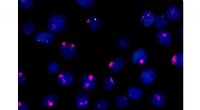
* They are the basic building blocks of an organism. Every living thing is made up of cells.
* They have a specific structure and function. Different types of cells perform specialized tasks (e.g., muscle cells contract, nerve cells transmit signals, skin cells protect the body).
* They contain the organism's genetic material (DNA). This DNA determines the characteristics of the organism.
* They are capable of growth and division. This allows the organism to grow and repair itself.
* They are surrounded by a cell membrane. This membrane controls what goes in and out of the cell.
* They contain organelles. These are specialized structures within the cell that perform specific functions (e.g., mitochondria for energy production, ribosomes for protein synthesis).
* They work together to form tissues, organs, and organ systems. This creates a complex, organized body.
* They have a limited lifespan. Cells have a natural lifespan, and they eventually die and are replaced by new cells.
* They can be affected by environmental factors. Things like toxins, radiation, and disease can harm cells.
Let me know if you'd like to explore any of these points in more detail!