However, a common way to categorize biomes is by their major climate types, which leads to a set of five large biomes:
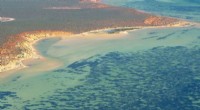
1. Aquatic: This biome encompasses all water-based environments, from freshwater lakes and rivers to saltwater oceans. It's the largest biome on Earth.
2. Forest: Characterized by dense tree cover, forests are further divided into sub-biomes like temperate forests, tropical rainforests, and boreal forests.
3. Grassland: Dominated by grasses and other herbaceous plants, grasslands are found in regions with moderate rainfall and seasonal drought.
4. Desert: Arid regions with very low rainfall and extreme temperatures, deserts support sparse vegetation.
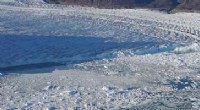
5. Tundra: Cold and treeless biomes with permafrost, tundras are characterized by short growing seasons and low-lying vegetation.
Important Note: This list is a simplified representation. There are many other biomes, such as savannas, mountains, and polar ice caps, which are often included in more detailed classifications.