Population
* Definition: A group of individuals of the same species living in the same area at the same time.
* Focus: A population focuses on a single species and its interactions within that group (e.g., mating, competition for resources, disease spread).
* Examples:
* A population of deer in a forest
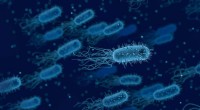
* A population of bacteria in a petri dish
* A population of oak trees in a park
Community
* Definition: All the different populations of organisms living and interacting in a particular area.
* Focus: A community focuses on the interactions between different species (e.g., predator-prey relationships, competition for food, pollination).
* Examples:
* The entire ecosystem of a pond, including fish, frogs, plants, insects, and bacteria.
* The community of birds in a tropical rainforest.
* The community of organisms living in a coral reef.
Think of it this way:
* Imagine a forest. A population would be all the squirrels in that forest.
* The community would include the squirrels, the deer, the birds, the trees, the fungi, and every other living thing within that forest.
Key Point: A community is a broader concept that encompasses multiple populations, while a population is a specific subset within a community.