Physical Components:
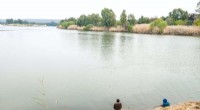
* Water: The most obvious, providing the environment itself.
* Sunlight: Essential for photosynthesis by aquatic plants.
* Temperature: Varies greatly with location and season, impacting all life.
* Dissolved oxygen: Critical for aquatic respiration.
* pH: Acidity or alkalinity, affecting the types of organisms that can thrive.
* Currents: Water movement, impacting nutrient distribution and habitat.
* Substrate: Bottom materials like sand, mud, rocks, which influence habitat types.
* Air: Used by aquatic organisms for breathing at the surface.
Chemical Components:
* Nutrients: Elements like nitrogen, phosphorus, and potassium, supporting plant growth.
* Salts: Minerals dissolved in water, varying in concentration across ecosystems.
* Toxins: Pollution from human activities, potentially harmful to life.
Other:
* Rocks: Provide habitat, alter water flow, and release minerals.
* Dead organic matter: Leaves, wood, and other debris, providing food and habitat.
* Light: Determines the depth to which sunlight penetrates, impacting plant life.
It's important to note that the boundaries between living and non-living components in an ecosystem are often blurred. For example, dead leaves are non-living, but they decompose and provide nutrients that support living organisms.