1. Phagocytosis:
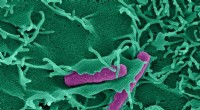
* Neutrophils: These are the most abundant type of white blood cell and act as the first line of defense. They engulf and destroy bacteria through a process called phagocytosis. They release enzymes and reactive oxygen species to kill the bacteria.
* Macrophages: These are larger phagocytes that also engulf and destroy bacteria. They can live longer than neutrophils and play a crucial role in the immune response by presenting antigens to other immune cells.
2. Antibody Production:
* B lymphocytes (B cells): These cells produce antibodies, which are proteins that bind to specific antigens on bacteria. This binding can neutralize the bacteria directly or make them more susceptible to phagocytosis by other immune cells.
3. Cell-Mediated Immunity:
* T lymphocytes (T cells): These cells directly attack and destroy infected cells, preventing the bacteria from spreading. There are different types of T cells, including:
* Cytotoxic T cells: These cells kill infected cells directly.
* Helper T cells: These cells release signaling molecules (cytokines) that help activate other immune cells, such as B cells and macrophages.
4. Inflammatory Response:
* White blood cells release chemicals that trigger inflammation, which helps to isolate the infection and bring more immune cells to the site of infection.
5. Other Mechanisms:
* Natural Killer (NK) cells: These cells recognize and kill cells that are infected with bacteria or have become cancerous.
* Eosinophils and Basophils: These cells are less common than neutrophils but play a role in fighting parasitic infections and allergic reactions.
In summary:
White blood cells protect the body from bacteria through a complex and coordinated immune response involving multiple types of cells and mechanisms. Each type of white blood cell plays a unique role in identifying, destroying, and preventing the spread of bacteria, ensuring the body's defense against these harmful pathogens.