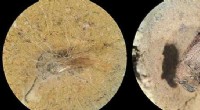
Kidneys:
* Nephrons: These are the functional units of the kidneys, responsible for filtering blood and producing urine. They consist of various specialized cells:
* Glomerular cells: These cells form the filtration barrier in the glomerulus, filtering waste products and water from blood. They include:
* Podocytes: These cells wrap around the capillaries of the glomerulus, creating filtration slits.
* Endothelial cells: These cells line the blood vessels of the glomerulus.
* Mesangial cells: These cells help regulate blood flow within the glomerulus.
* Proximal tubule cells: These cells reabsorb essential nutrients and water from the filtrate.
* Loop of Henle cells: These cells create a concentration gradient in the medulla of the kidney, allowing for further reabsorption of water.
* Distal tubule cells: These cells reabsorb more water and regulate electrolyte balance.
* Collecting duct cells: These cells transport urine from the nephron to the renal pelvis.
* Other kidney cells:
* Juxtaglomerular cells: These cells regulate blood pressure by releasing renin.
* Interstitial cells: These cells provide structural support and contribute to the kidney's microenvironment.
Other excretory system cells:
* Ureters: These tubes transport urine from the kidneys to the bladder. They are lined with epithelial cells that help move urine.
* Bladder: This organ stores urine. It is also lined with epithelial cells that stretch to accommodate urine volume.
* Urethra: This tube transports urine from the bladder to the outside of the body. It is lined with epithelial cells that help move urine and protect the urethra from infections.
It's important to note that:
* These cells are highly specialized and work together to perform the intricate functions of the excretory system.
* Other cell types, such as muscle cells and nerve cells, also play roles in the excretory system, contributing to the movement of urine and regulating the processes involved.
I hope this detailed answer helps!