Here's why:
* Rapid Reproduction: Algae are photosynthetic organisms that can multiply incredibly quickly in favorable conditions, especially with abundant sunlight and nutrients.
* Oxygen Production: During photosynthesis, algae produce oxygen. However, when they die and decompose, the process consumes oxygen.
* Algal Blooms: When algae experience rapid growth, it creates a "bloom" where their density becomes very high. These blooms can cover vast areas of water.
* Oxygen Depletion: As the algal bloom dies off, the decomposition process consumes a large amount of oxygen in the water, leading to hypoxia (low oxygen levels).
This phenomenon is known as eutrophication and is a significant environmental issue.
Here's how it works:
1. Nutrient Pollution: Excess nutrients, like phosphorus and nitrogen, enter waterways from sources like agricultural runoff, sewage, and industrial waste.
2. Algal Growth: The nutrients fuel rapid growth of algae, leading to blooms.
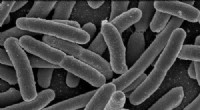
3. Decomposition: When the algae die, bacteria decompose them, consuming oxygen in the process.
4. Hypoxia: This depletion of oxygen leads to hypoxia, making it difficult for fish and other aquatic life to survive.
Consequences of Hypoxia:
* Fish Kills: Hypoxia can cause fish kills, as they suffocate from the lack of oxygen.
* Ecosystem Disruption: It can disrupt the entire ecosystem, affecting other aquatic organisms and altering food webs.
* Economic Impacts: Hypoxia can impact fishing industries and tourism.
Examples:
* Dead Zones: Large areas of hypoxic water are known as "dead zones," often found in coastal areas worldwide.
* Gulf of Mexico Dead Zone: A massive dead zone forms annually in the Gulf of Mexico, largely due to nutrient runoff from the Mississippi River.
It's important to note that while algae are the primary culprits in these situations, other factors can contribute to oxygen depletion, such as high temperatures and stagnant water conditions.