Examples of Biosphere Components:
1. Ecosystems:
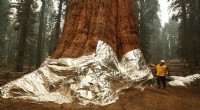
* Forests: Rainforests, temperate forests, boreal forests, etc. Each with its own unique set of plants, animals, and microorganisms.
* Grasslands: Savannas, prairies, steppes.
* Deserts: Hot deserts, cold deserts.
* Oceans: Coral reefs, deep-sea vents, open ocean, coastal zones.
* Freshwater Ecosystems: Lakes, rivers, wetlands, ponds.
* Urban Ecosystems: Cities, towns, suburbs - even these have adapted ecosystems with their own flora and fauna.
2. Organisms:
* Plants: Trees, flowers, grasses, algae, phytoplankton.
* Animals: Mammals, birds, fish, reptiles, amphibians, insects.
* Microorganisms: Bacteria, fungi, viruses.
3. Interactions:
* Food Chains/Webs: The relationships between organisms that eat and are eaten.
* Symbiosis: Mutualism, commensalism, parasitism - interactions between different species.
* Competition: Organisms competing for resources like food, water, and space.
Examples of the Biosphere at Work:
* Carbon Cycle: The continuous movement of carbon through living organisms, the atmosphere, and the Earth.
* Nitrogen Cycle: The conversion of atmospheric nitrogen into a usable form for plants.
* Water Cycle: The continuous movement of water through the environment, powered by the sun.
It's important to remember: The biosphere is a dynamic and interconnected system, with all these components working together to create the incredible diversity of life on Earth.