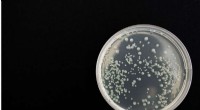
In bioprocess technology, media refers to the nutrient-rich solutions that provide essential components for microbial growth and product formation. They are broadly categorized into simple and complex media, depending on the composition and their specific applications.
Simple Media:
* Defined composition: Every component in the medium is known, including its chemical structure and concentration.
* Chemically defined: Typically composed of inorganic salts, pure carbon sources (sugars), and a nitrogen source (e.g., ammonium salts).
* Reproducibility: High reproducibility due to the precise control of all ingredients.
* Applications: Primarily used for:
* Basic research: Understanding microbial metabolism and growth requirements.
* Strain development: Screening and optimization of production strains.
* Bioprocess optimization: Studying the effect of individual components on cell growth and product formation.
* Quality control: Ensuring consistent product quality and reproducibility in downstream processing.
Complex Media:
* Undefined composition: Contains complex ingredients like yeast extract, casein hydrolysate, or peptone, where the exact chemical composition is not known.
* Naturally derived: Often derived from animal or plant sources, providing a broad range of nutrients and growth factors.
* Variable composition: Composition can fluctuate depending on the source material and processing methods.
* Applications: Typically used for:
* Large-scale production: Provides a cost-effective and efficient solution for mass cultivation of microorganisms.
* Industrial fermentation: Supporting the growth of various microorganisms, particularly those with complex nutritional requirements.
* Growth enhancement: Provides essential vitamins, trace elements, and other growth factors not readily available in simple media.
Advantages and Disadvantages:
Simple Media:
* Advantages:
* Precise control and reproducibility.
* Easy to modify and optimize.
* Useful for research and development.
* Disadvantages:
* May not support the growth of all organisms.
* Can be expensive to prepare.
Complex Media:
* Advantages:
* Supports a wider range of microorganisms.
* Cost-effective for large-scale production.
* Often provides better growth and product yields.
* Disadvantages:
* Composition can vary, affecting reproducibility.
* Less suitable for research and development.
* Can be contaminated more easily.
Choosing the Right Media:
The choice between simple and complex media depends on specific requirements, including:
* Microorganism: The specific needs of the microorganism being cultivated.
* Application: The purpose of the bioprocess, whether it's research, production, or quality control.
* Cost: The economic feasibility of using a particular media.
* Reproducibility: The importance of consistency in production.
Conclusion:
Both simple and complex media play vital roles in bioprocess technology. Simple media are crucial for research and development, while complex media are often preferred for industrial production. Choosing the right media is essential for optimizing bioprocesses and achieving desired results.