Here's a breakdown:
* Autotrophic: Comes from the Greek words "autos" (self) and "trophe" (nourishment).
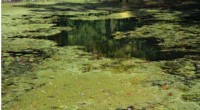
* Photosynthesis: Using sunlight as energy to convert carbon dioxide and water into sugars (food). This is how plants, algae, and some bacteria make their own food.
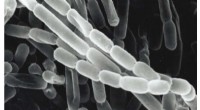
* Chemosynthesis: Using chemical energy from inorganic compounds (like hydrogen sulfide) to create food. This is common in certain bacteria found in extreme environments like hydrothermal vents.
In contrast to autotrophs are heterotrophs, which cannot make their own food and must consume other organisms (plants, animals, or even other heterotrophs) to obtain energy.
So, in short, autotrophic organisms are the producers in ecosystems, making their own food and providing the basis for food chains.