1. Entry Points:
* Respiratory System: Microbes can enter through your nose and mouth, infecting your lungs, throat, and sinuses.
* Gastrointestinal System: Contaminated food or water can introduce microbes into your stomach and intestines.
* Skin: Breaks in the skin, such as cuts, abrasions, and insect bites, can provide entry points.
* Mucous Membranes: These delicate tissues lining your eyes, mouth, nose, and genitals are vulnerable to infections.
* Bloodstream: Microbes can enter the bloodstream through wounds or infections in other parts of the body.
2. Mechanisms of Attack:
* Direct Damage: Some microbes can directly damage cells and tissues through their own metabolic processes.
* Toxins: Bacteria and fungi can produce toxins (poisons) that harm your body.
* Immune System Evasion: Microbes can evolve to evade your immune system, making them more difficult to fight off.
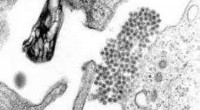
* Hijacking Cells: Viruses can hijack your cells to replicate themselves, causing damage and dysfunction.
* Immune System Overreaction: Sometimes, your immune system overreacts to a microbial infection, causing inflammation and tissue damage (e.g., sepsis).
3. Specific Examples:
* Bacteria: Can cause infections like pneumonia, food poisoning, urinary tract infections, and skin infections.
* Viruses: Cause diseases like the common cold, flu, measles, HIV, and COVID-19.
* Fungi: Can cause skin infections like athlete's foot, yeast infections, and serious lung infections.
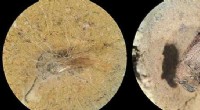
* Parasites: Include protozoa (e.g., malaria), helminths (e.g., tapeworms), and ectoparasites (e.g., lice).
Your Immune System's Defense:
* Physical Barriers: Your skin, mucous membranes, and stomach acid act as barriers to prevent microbes from entering your body.
* Immune Cells: White blood cells, such as neutrophils, macrophages, and lymphocytes, work to fight off invaders.
* Antibodies: Your body produces antibodies to recognize and neutralize specific microbes.
Remember: Most microorganisms are harmless or even beneficial to your health. However, it's important to maintain good hygiene, get vaccinated, and seek medical attention if you suspect an infection.